Understanding Orthodontic Treatments at Dental Clinics
Posted on: 2023-10-17, by : Brian Owens
The field of orthodontics focuses on the alignment of teeth and jaws, ensuring optimal oral health and a beautiful smile. If you or a family member are considering orthodontic treatment, it’s essential to understand what to expect and the various treatment options available. Dental Health in SE Calgary is likely similar to wherever you are as long as you get professional assistance. Here’s a look at different types of orthodontic treatments offered at dental clinics, providing a clearer understanding of the process and its benefits.
Traditional Braces
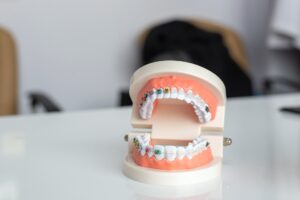 Traditional braces are the most common type of orthodontic treatment. They consist of brackets bonded to the teeth and connected by archwires. Over time, the wires exert pressure on the teeth, gradually aligning them into their desired positions. This treatment is highly effective for addressing various orthodontic issues, including crowded teeth, gaps, crossbites, overbites, and underbites.
Lingual Braces
Lingual braces are similar to classic braces, but they are attached to the back surface of the teeth, making them virtually invisible from the front. These braces are custom-made to fit each patient’s teeth and are an ideal option for individuals who desire a discreet orthodontic treatment.
Clear Aligners
 Clear aligners, such as Invisalign, are a popular alternative to traditional braces. They consist of a series of custom-made, clear plastic trays that fit over the teeth. These aligners gradually shift the teeth into proper alignment. Clear aligners are virtually invisible, detachable, and offer greater flexibility in terms of eating and oral hygiene compared to braces. However, they may not be suitable for more complex orthodontic cases.
Self-Ligating Braces
Self-ligating braces work similarly to traditional braces but use specialized brackets that eliminate the need for elastic or metal ties. These braces have a sliding mechanism that holds the wire in place, reducing friction and allowing for more comfortable and efficient tooth movement. Self-ligating braces require fewer adjustments and potentially shorter treatment times compared to traditional braces.
Orthodontic Appliances
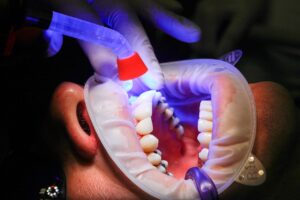
In addition to braces and aligners, dental clinics also offer various orthodontic appliances. These appliances are used to treat specific orthodontic issues, such as correcting narrow dental arches, expanding the palate, or helping adjust jaw growth discrepancies. Some common examples include palatal expanders, headgear, and retainers.
Treatment Process
Orthodontic treatment typically begins with a comprehensive set of tests, including X-rays, photographs, and impressions of your teeth. This allows the orthodontist to develop a personalized treatment plan tailored to your specific needs. The actual treatment process involves regular adjustments, typically every 4-6 weeks, to gradually move and align the teeth properly. The duration of the treatment program varies based on the complexity of the case and can last anywhere from several months to a few years.
Benefits of Orthodontic Treatment
Orthodontic treatments offer numerous benefits beyond aesthetic improvements. Properly aligned teeth make oral hygiene easier, reducing the risk of gum illness and tooth decay. An aligned bite promotes better chewing and digestion while also preventing excessive wear on teeth.
Conclusion
Orthodontic treatments have come a long way in providing effective solutions for straightening teeth and achieving a healthy, beautiful smile. Whether you opt for traditional braces, clear aligners, lingual braces, or other orthodontic appliances, dental clinics provide a range of options to meet your particular needs. Consult with a qualified orthodontist at a reputable dental clinic to embark on your transformative orthodontic journey and enjoy the lifelong benefits of a properly aligned smile.